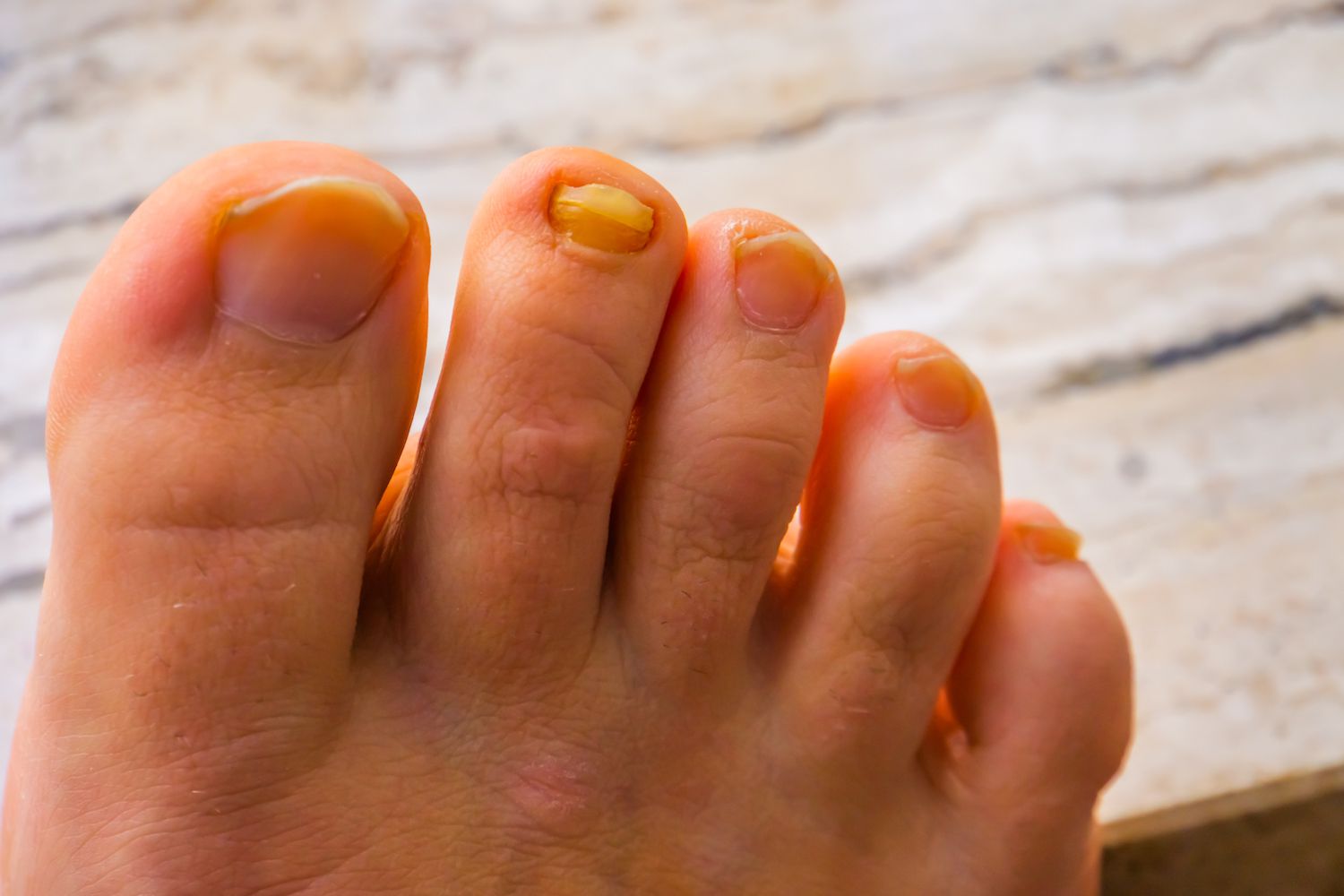
You slip off your socks after a long day and notice it—a subtle, but unmistakable, yellow tint on one or more of your toenails. It’s a common yet often disconcerting sight. While rarely a medical emergency, yellowing toenails can be a cosmetic concern and sometimes a signal from your body. Let’s demystify this condition, explore its causes, and empower you with simple, effective strategies for restoration and prevention.
Understanding the Symptoms and Common Causes
Yellowing toenails can manifest in various ways. The discoloration might range from pale yellow to a deeper, brownish hue. It often starts at the tip or edges and may spread toward the cuticle. The nail might also become thickened, brittle, crumbly, or even separate from the nail bed. An unpleasant odor can sometimes accompany these changes.
Several factors can lead to this condition:
1. Fungal Infection (Onychomycosis): The most frequent culprit. Fungi thrive in warm, dark, moist environments—like inside shoes. They feed on keratin, the protein that makes up your nails, causing discoloration and distortion.
2. Nail Polish Staining: Frequently wearing dark-colored nail polish, especially without a base coat, can stain the keratin. This is harmless but can persist.
3. Aging: Just like skin and hair, nails change with age. They can naturally thicken and develop a yellowish, opaque appearance.
4. Trauma: Stubbing your toe or repeated pressure from ill-fitting shoes can cause bruising under the nail, which appears as a yellow or dark spot.
5. Underlying Health Conditions: In some cases, yellow nails can be linked to psoriasis, thyroid disease, diabetes, or respiratory conditions, often presenting with other symptoms.

Simple At-Home Whitening Tricks
For mild staining or early discoloration, try these pantry-friendly brighteners:
- The Baking Soda Scrub: Mix baking soda with hydrogen peroxide to form a paste. Gently brush it onto nails with a soft toothbrush for 2-3 minutes, then rinse. Baking soda is a mild abrasive and bleach.
- Lemon Juice Soak: The natural citric acid in lemon juice has gentle bleaching properties. Soak feet in warm water with the juice of one lemon for 10-15 minutes. Rinse and moisturize afterward.
- Tea Tree Oil Dab: A natural antifungal and antiseptic. Dilute a few drops with a carrier oil (like coconut oil) and apply directly to the affected nail twice daily.
Natural Pathways to Treatment
For a more therapeutic approach, consistency is key:
1. Keep Feet Dry and Ventilated: Fungi cannot thrive without moisture. Dry your feet thoroughly after washing, paying attention to spaces between toes. Choose moisture-wicking socks and alternate shoes daily.
2. Regular, Proper Trimming: Trim nails straight across and file down thickened areas. This reduces the area where fungi can live and prevents debris buildup. A disposable foot spa kit is a good option.
3. Antifungal Soaks: Soak feet in a mixture of white vinegar and warm water (1:2 ratio) for 20 minutes daily. The acetic acid creates an inhospitable environment for fungi.
4. Essential Oil Power: Besides tea tree oil, oregano oil (highly diluted) is known for its potent antifungal properties. Apply a diluted drop to the nail.

Strengthening Brittle Nails
Weak nails are more prone to damage and infection. Strengthen them from within and without:
- Nourish from Inside: Ensure your diet includes biotin (found in eggs, nuts, salmon), protein (the building block of keratin), and iron (from leafy greens, legumes). Stay hydrated.
- Moisturize: Apply natural oils like vitamin E oil or jojoba oil directly to nails and cuticles daily to improve flexibility and prevent cracking.
- Give Nails a Break: Avoid constant polishing. Take breaks between manicures to let nails breathe and recover from any chemical exposure.
Practical Tips to Prevent Re-yellowing
Prevention is always simpler than cure:
- Footwear Wisdom: Wear well-fitting shoes with adequate toe space. In public pools, showers, and locker rooms, always wear waterproof sandals.
- Polish Smartly: Always use a clear base coat before applying colored polish. Choose acetone-free removers and don’t leave polish on for weeks on end.
- Regular Inspection: Make nail-checking part of your routine. Catching changes early makes management much easier.
- Seek Help When Needed: If home care shows no improvement after several months, if the yellowing spreads rapidly, or if you have pain, swelling, or diabetes, consult a doctor or podiatrist. They can provide a definitive diagnosis (sometimes via lab test) and prescribe stronger topical or oral treatments if needed.
Yellowing toenails are a common chapter in many people’s lives, but it doesn’t have to be a permanent one. With patience, consistent care, and these practical steps, you can guide your feet back to a state of clear, healthy, and confident beauty.
Read also: A Guide to False Toenails: Beauty, Repair, and Confidence